
A new kind of home loan lets you use cryptocurrency as collateral for a down payment, without selling your coins. Coinbase and Better Home & Finance announced the first Fannie Mae-backed crypto mortgages in March 2026, funded the first loan on June 4, and plan a full rollout later this summer.
What Is a Crypto-Backed Mortgage?
Traditionally, a crypto holder who wants to buy a home has to sell their coins, pay capital gains tax, and then use the cash for a down payment. This drains their investment, locks in a tax bill, and gives up any future price gains.
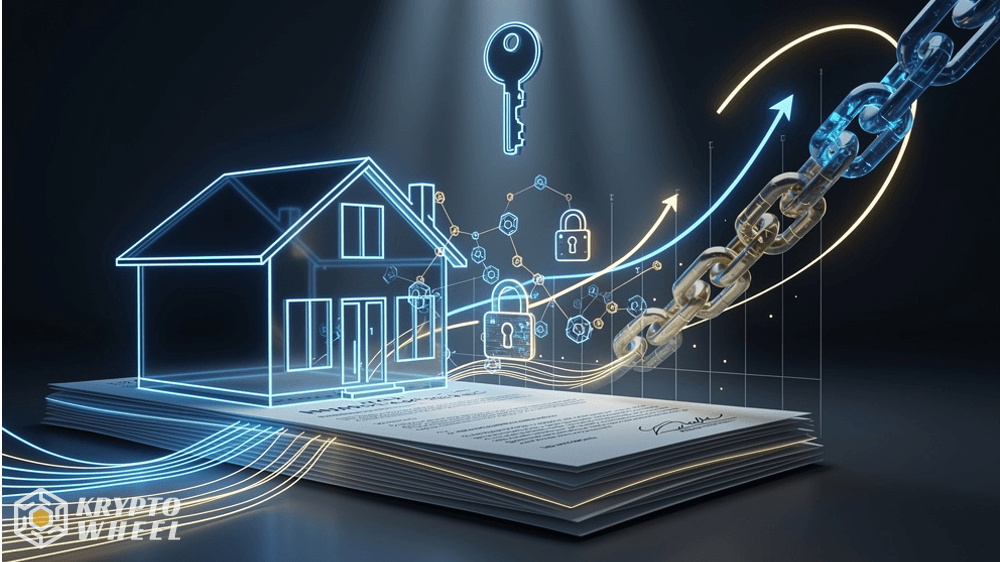
A crypto-backed mortgage works differently. You pledge Bitcoin or USDC as collateral, and the lender provides the down payment against it. Your crypto stays in custody until the loan is paid off. This helps buyers who hold crypto but lack cash, a common situation among younger generations. Better estimates 52 million Americans own digital assets, and Redfin data from 2025 showed 12.7% of Gen Z and Millennial buyers already sold tokens to fund a down payment, compared to 3.5% of Gen X.
How It Works
Better combines two loans into one: a standard mortgage on the home plus a down-payment loan secured by your crypto. You make a single monthly payment, and both loans share the same rate and term.
The key difference from older crypto lending is that there are no margin calls or top-ups. Once you pledge your crypto, price swings don’t affect your loan terms. Per Better’s product page, it’s a one-and-done pledge. Your crypto is only at risk if you miss payments, not from market volatility. That’s a crucial difference from a margin loan, where collateral can be liquidated automatically when the loan-to-value ratio crosses a certain threshold, even if you’re paying on time.
Real-World Example
The first loan funded on June 4, 2026, went to Joe and Amy, a married couple in their early 30s from Ann Arbor, Michigan. Joe, a software engineer, had built meaningful Bitcoin holdings but not enough cash for a traditional down payment. Instead of selling, they pledged crypto and bought their first home on a 30-year fixed Fannie Mae-backed mortgage. At closing, they connected their Coinbase account and transferred the collateral in a single step, with no checks or wires.
Benefits and Risks
The main benefits are no capital gains tax from selling, and you keep any future appreciation. It also turns illiquid digital wealth into a home without draining a bank account. Better estimates $250 million in loan volume from its waitlist. Since the loans are conforming and Fannie Mae-backed, they carry government backing and consumer protections, with pricing similar to standard loans.
However, the risks are real. Miss payments for 60 days and Better can liquidate the pledged crypto. Foreclosure on the home follows the standard Fannie Mae timeline, starting at day 180. The crypto is exposed to delinquency, not price drops. The collateral sits with a third party, and eligibility requires a Coinbase account, sufficient crypto, good credit, and a Fannie Mae-eligible property. Last year, four Democratic senators warned the FHFA that crypto collateral could pose risks to housing market stability.
Why This Happened Now
In June 2025, the Federal Housing Finance Agency directed Fannie Mae and Freddie Mac to recognize cryptocurrency held on regulated US exchanges as an eligible asset in mortgage risk assessments. That cleared the path for this product. While crypto-collateral mortgages aren’t new, this is the first Fannie Mae-accepted, scalable version, making it a candidate for real adoption.