

OpenAI’s limited role in military drone program
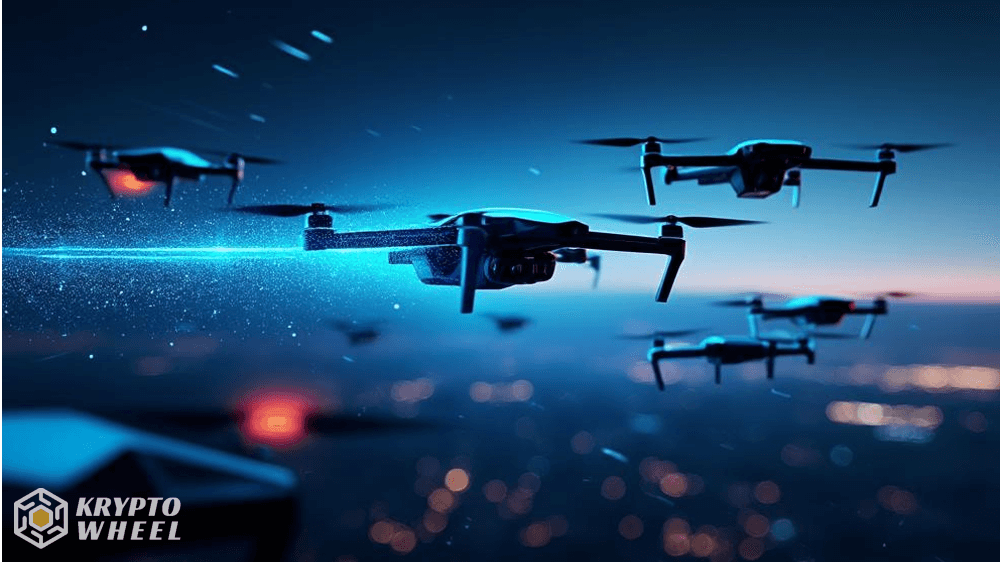
OpenAI has been brought into a $100 million Pentagon competition to develop voice-controlled drone swarm software, but their involvement appears quite limited. According to reports, they’re partnering with two defense technology firms that were selected by the military for this challenge. The company isn’t submitting its own bid, and they’re only providing open source versions of their models.
What’s interesting here is what OpenAI won’t be doing. Their technology won’t control the drones directly, won’t integrate weapons systems, and won’t have any targeting authority. They’re basically just providing the voice-to-command translation layer. It’s a narrow technical role, but still significant given the military context.
The competition structure and timeline
The Defense Innovation Unit and Special Operations Command launched this competition back in January. They’re looking for prototypes that can direct autonomous drone swarms using spoken commands. The whole thing is scheduled to last six months, moving through different phases.
It starts with software development, then moves to live testing. Later stages apparently involve multi-domain coordination across air and sea systems. The Pentagon says mission execution elements could affect system lethality and effectiveness, which sounds serious but also a bit vague.
Broader defense relationships developing
This isn’t OpenAI’s only recent move into defense work. Just this week, the Pentagon announced they’re making ChatGPT available to about 3 million Defense Department personnel. That’s a separate arrangement, but it shows the company is building relationships with military organizations.
Sam Altman, OpenAI’s CEO, has said previously that the company doesn’t expect to develop AI-enabled weapons platforms anytime soon. But he hasn’t ruled it out completely, which leaves some room for interpretation. I think that’s probably a practical position for any tech company working in this space.
What this means for AI and defense
There’s something interesting about the limited nature of OpenAI’s involvement here. They’re providing voice recognition technology, which is something they’re good at, but they’re not touching the actual drone control or weapons integration. It feels like they’re testing the waters while keeping some distance from the more controversial aspects.
The drone swarm competition itself is part of a broader trend toward autonomous systems in military applications. Voice control could make these systems more accessible to operators in the field, but it also raises questions about reliability and security in combat situations.
I’m curious how this will develop over the six-month competition period. The transition from software development to live testing will be particularly telling. And the multi-domain coordination aspect suggests they’re thinking about complex battlefield scenarios where different types of systems need to work together.
It’s worth noting that OpenAI is working with existing defense contractors rather than going it alone. That probably makes sense from both a practical and political standpoint. The contractors understand military requirements and procurement processes, while OpenAI brings specific AI expertise.
This whole situation feels like a careful balancing act. On one hand, there’s clear military interest in AI capabilities. On the other, there are ethical considerations and public perceptions to manage. The limited, technical nature of OpenAI’s involvement might be their way of navigating that tension.