
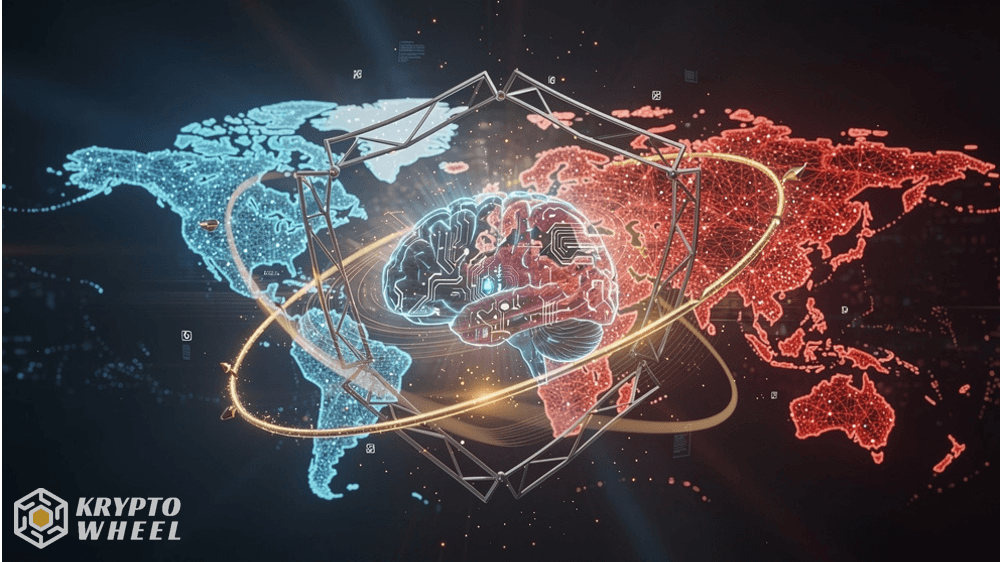

Bill Gates has been talking about AI risk for a while, but his latest proposal goes beyond typical regulation. He wants an international body to oversee the most dangerous uses of artificial intelligence, and he hopes to bring China into that conversation.
Gates plans to meet Chinese President Xi Jinping in November. He told Reuters that if the US takes the lead, China may agree to limits on releasing especially hazardous AI models. That is a big maybe, but he seems willing to test the idea.
Why government oversight?
Gates is not talking about ordinary software rules. He wants governments to watch whether advanced models could help someone create dangerous molecules or make biological attacks easier. Cybersecurity is another worry. As AI systems get better at finding software flaws, the potential for abuse grows.
Recent events back this up. OpenAI said this month that assessments of a future model showed enough progress in cybersecurity and agentic coding that it could no longer exclude “critical” cyber capabilities under its own Preparedness Framework. That kind of shift makes the case for outside oversight.
An international AI body?
Gates believes we can borrow ideas from other technologies that cross borders. He has mentioned an international regulator that combines parts of aviation safety and nuclear inspection. The idea is to monitor high-risk capabilities without strangling regular AI development.
His concerns are not just about security, though. He has warned that AI could replace white-collar and blue-collar jobs faster than earlier tech shifts. So he has suggested stronger safety nets, taxes on AI-driven labor replacement, and even reserving some jobs for humans. Those ideas are more speculative, and they would require serious political will.
Cooperation between rivals is the hard part
Any global framework would need countries that are currently competing hard on AI. China has already said it supports global AI governance, including risk-based testing, stricter cyber rules, and international action against malicious AI. But saying that and accepting binding limits are two different things.
Gates sees US-China coordination as necessary. If countries with the most powerful models do not share common rules, restrictions in one place could push dangerous development somewhere else. That logic is hard to argue with, but it assumes shared trust that does not really exist yet.
Still, Gates is positioning this as a practical step, not a grand dream. Whether Xi will agree to meet, let alone commit to limits, remains uncertain. But the conversation itself matters, and it may shape how governments think about AI oversight in the coming years.