

The latest U.S. inflation report sent a shockwave through the digital asset market, triggering a massive short squeeze. In June, the Consumer Price Index (CPI) fell by 0.4%, the steepest monthly decline since April 2020. On an annual basis, inflation slowed to 3.5%, while core inflation dropped to 2.6%. This unexpected decline immediately shifted market expectations.
Rate Hike Probability Collapses
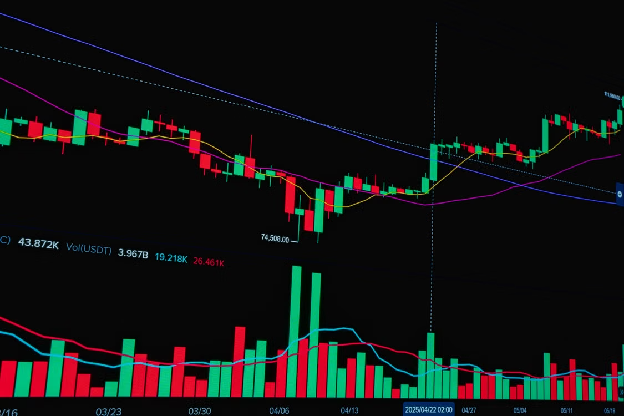
The probability of a Federal Reserve rate hike dropped to a symbolic 8%, and U.S. stock market futures started moving higher. On crypto exchanges, the release caused a cascade of liquidations among traders who had bet on further price declines. Within the first hour, short liquidations surged to $134.90 million, while long traders lost just $7.06 million. This created an abnormal 1,810% imbalance—short sellers were forcibly closed out 19.1 times more than buyers.
Ethereum Absorbs the Hardest Blow
The main surprise of this short squeeze was that Ethereum, not Bitcoin, absorbed the largest blow. In one hour, ETH short sellers lost $56.71 million, while short liquidations in BTC futures were notably lower at $41.14 million. The unusual skew toward Ethereum was confirmed by the largest single liquidation of the past 24 hours. On Binance, the system forcibly closed an ETHUSDT position worth $6.37 million. Overall, the market liquidated 89,498 traders over the past day, with total losses reaching $413.37 million.
What This Means for the Market
Inflation falling below 4% opens the door for the Federal Reserve to begin cutting interest rates as early as this autumn. For the crypto market, this could mean an influx of liquidity, as digital assets often react first to expectations of cheaper money in the United States. The current wave of short liquidations has weakened the bears’ ability to keep prices within the previous downward channel. This has established new medium-term support levels for Bitcoin and Ethereum at $63,500 and $1,800, respectively. The shift in sentiment is notable, and many traders are now watching for further signs of economic easing.