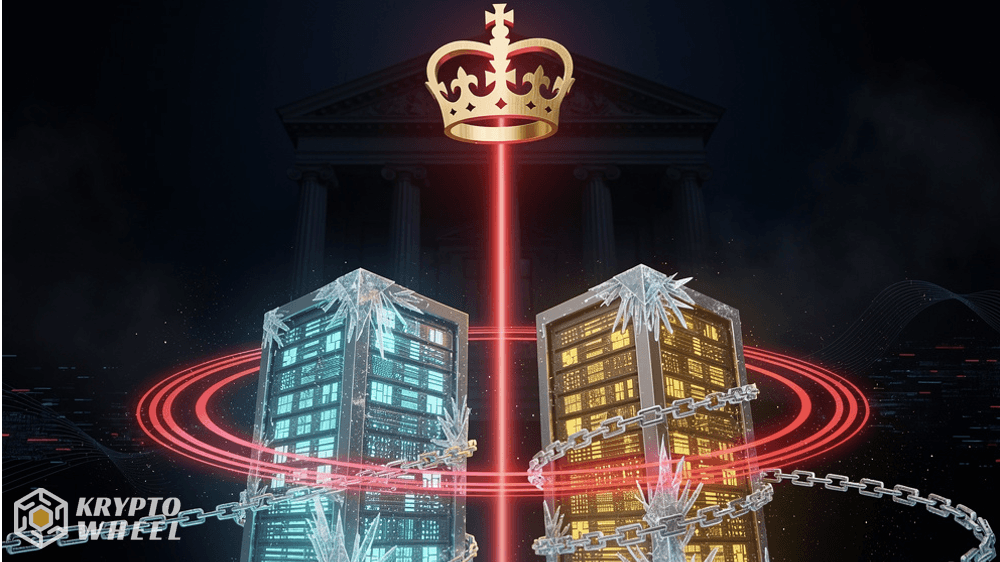


Tether, the company behind the USDT stablecoin, recently froze approximately $344 million worth of tokens. The move has stirred legal action in the United States. This story is still unfolding, and a lawsuit has now been filed.
Background of the Freeze
The freeze happened as tensions between the US and Iran remain high. Cryptocurrencies have naturally become part of the storyline here. To be more specific, Tether blocked the funds, which were held in wallets. The company has not yet fully explained the exact reason, but the timing is notable.
According to a report from The Block, victims of an Iranian-linked terrorist attack have decided to take Tether to court. They are demanding that the frozen funds be released, but not back to the original holders. Instead, they want the money used as compensation for their losses.
The Lawsuit Details
The plaintiffs are individuals who say they have suffered from terrorism tied to Iran. They note that compensation judgments against the Iranian government and the Islamic Revolutionary Guard Corps (IRGC) have been made, but no payments have actually been collected. So now they are looking at Tether’s frozen stash as a possible source of money.
The lawsuit alleges that the frozen USDT belonged to wallets connected to the IRGC. The IRGC is a group sanctioned by the U.S. Office of Foreign Assets Control (OFAC). That is a key point. The plaintiffs argue that since the funds are linked to a sanctioned entity, and Tether already has control over them, the money should be redirected to settle the legal claims against Iran.
Tether’s Past Actions
The victims also pointed out that Tether has cooperated with US authorities before. They mention that the company has, in the past, honored seizure orders from the US government. This suggests that Tether does have a history of freezing and moving funds when legally required. Perhaps they hope this precedent will encourage a similar outcome now.
For now, the case is moving forward in a US court. Tether has not yet issued a detailed public statement about the lawsuit. The outcome could set an interesting precedent for how frozen crypto assets are handled in international disputes.
*This is not investment advice.